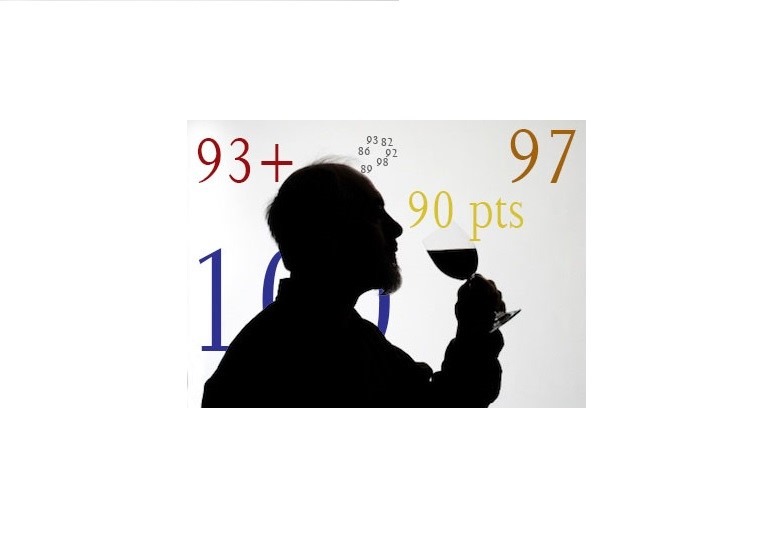
The Controversy over Wine Scores
For many decades now, wine critics have been reviewing wines, and wine consumers have been following their guidance. This fact is hardly surprising given the sheer number of wines on our supermarket shelves, and the high prices we encounter when walking down the aisles. None of us likes to make a $30 mistake, and there seem to be an ever-growing number of opportunities to do so. Hence wine consumers often rely on the so-called experts to recommend good bottles to take home and quaff.
For decades there was an indisputable king of wine reviewing, Robert Parker, who dominated the winescape for decades with his 100-point rating system – a system which has now been adopted by most other wine publications. A high-scoring wine usually earns 90 points or above. The criticisms of this method of scoring are numerous, however, especially from within the industry.
“If you were designing a bridge,” asks Peter Neptune, Master Sommelier, “would you trust the engineering to a college-level science student, or would you insist on having an actual engineer?” Neptune makes a valid point: the most influential wine critics do not hold any degrees in their field. Of course, buying an inferior bottle of wine isn’t as serious as a bridge collapsing, but we get the point. Who are these people that we are trusting to fill our wine glasses each night?
Placing complete faith in one person’s palate has consequences. All of us have different opinions when it comes to wine. Some of us prefer balance over strength. Some of us love big, jammy reds; some of us like crisp, fresh whites; and some of us prefer finesse and harmony over all else. Robert Parker’s palate tends towards the former. Some say he has a smoker’s palate; he likes big, heavy, intense red wines that feel like they are socking you in the teeth. Many of us, however, would rather not stain our pearly whites purple every night (myself included).
The first time that Lane and I had to submit our wines for evaluation came just a few months ago, and I must admit I was nervous. Our wines are not fit for Bob’s palate. They are fresh, lively wines, and not big fruit bombs. Luckily, its seems that the tides are finally turning – critics seem to be valuing a style of winemaking that many of us thought was history. This was something I always admired about my partner, Lane Tanner: her winemaking has always been honest and dedicated to making wines of impeccable balance, no matter what Bob may think.
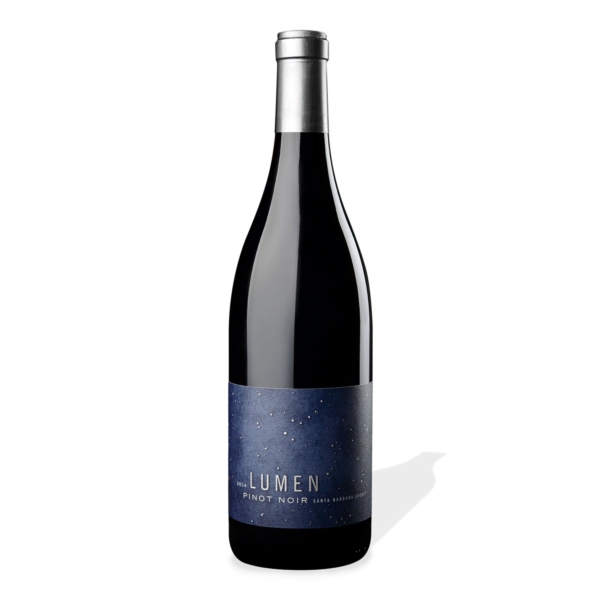
Needless to say, we didn’t send our wines to Mr. Parker – but instead The Wine Enthusiast – and I am pleased to report that our scores were good: for the 2013 vintage, our Chardonnay earned 92 points, our Pinot Noir 91 points, and our Grenache 92 points. While we don’t necessarily need assurance that we are making good wine, a little pat on the back doesn’t hurt at all. Now our fans can all trust that the Lumen bridge is safe to cross.
– Will Henry