I was always a believer that being wild was a good thing – to a point.
Be it a confrontation with a bear on a remote surf trip in British Columbia in January, or a night spent adrift on the open ocean in a boat that had lost its engine, wild is exciting, invigorating, and makes us feel that much more alive. Unless, of course, it gets so wild that it puts our lives in true jeopardy. There is often a fine line.
I never thought that I would have the opportunity to draw this line of comparison with viticulture, but then again, life offers many interesting twists and turns. In the summer of 2021, in the midst of the pandemic, we were planting a new vineyard in the Santa Maria Valley – the Warner Henry Vineyard – named after my late father. My attention was entirely focused on what is to become our first estate vineyard, tending the young vines and making sure they became healthy adults, and learning to become a farmer day by day. But just down the hill from this new vineyard, a new chapter was unfolding – one which would teach me much more about farming than I had bargained for.
The workers commented one day that there was a vineyard on the way up the hill that had not been pruned the year prior, and bud break had just occurred, meaning that the time for pruning had come and gone. Vineyards are pruned for many reasons, most importantly because it allows for farming practices to occur more easily, and promotes vine health, vigor, fruit production, and vineyard longevity. Leaving a vineyard unpruned is a big no-no in standard agricultural practices, because it can lead to many more problems down the road. The workers asked if I knew what was going on with that vineyard, but I did not. The owners are my neighbors, but I had never met them – and while I had not seen anyone working the vines for quite some time, I was focused on my own baby vines.
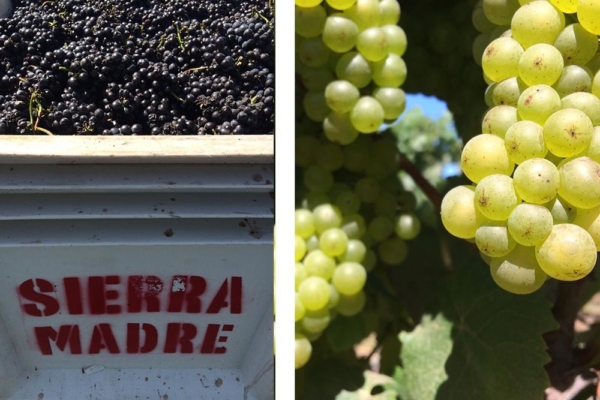
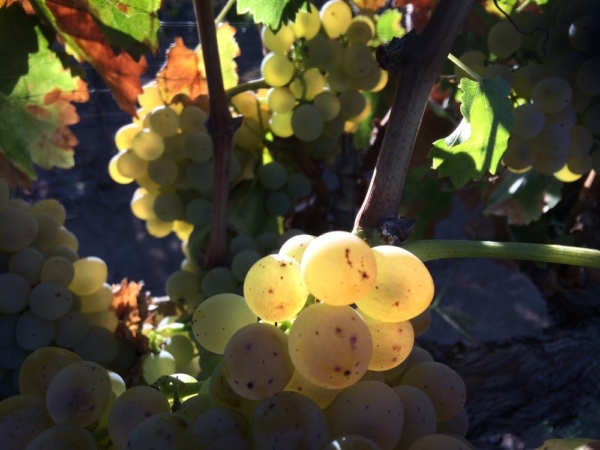
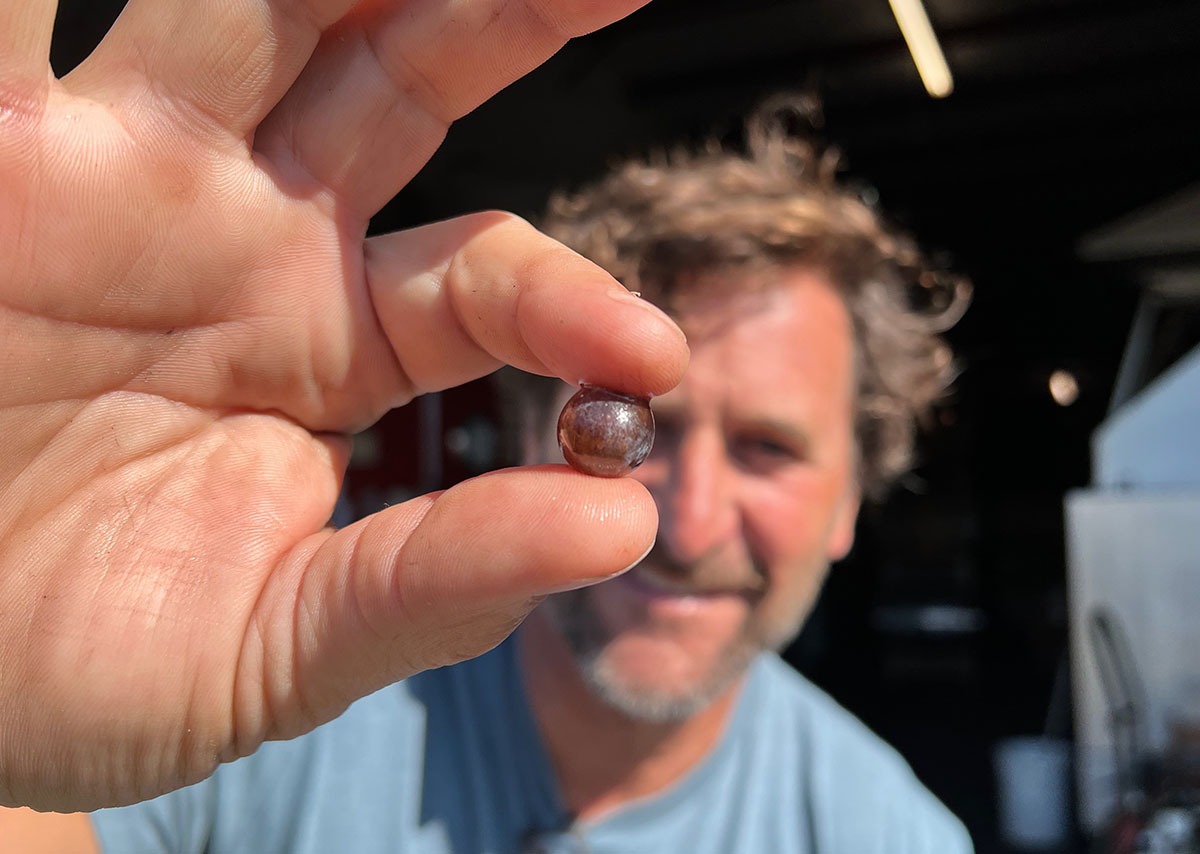
Fast forward a few months, and I was driving up our road, and noticed that this wild vineyard was holding a lot of fruit. Out of curiosity, I parked the car and walked a few of the rows. What immediately caught my eye was that the fruit zone – usually confined to a few feet in height around waist-level – was from below my knees to above my head. What was even more remarkable was the fruits’s quality: never before had I seen such tiny berries, on such tiny clusters. This was the kind of fruit that any winemaker dreams of working with, and that seems to elude us no matter how hard we try to farm for it.

| I started making some calls and tracked down my neighbors who own the vineyard: Doug and Victoria King. I met Doug and Vickie on a cool summer day at their home, and they explained the vineyard’s history. They planted it in 2009, on advice from David Addamo, a nearby vintner and neighbor who just a year or so later went bankrupt and left the area. The following owner of the Addamo property, Randeep Grewald, made a deal with the Kings to continue farming it – for a fee, of course – and then to purchase the fruit after each harvest. “The problem was,” explained Doug, “I lost money on it every year.” Then came 2020, and Grewald stiffed the Kings for all of the fruit that the vineyard produced that year.
Doug is a savvy businessman, and finally he had had enough. “I just turned off the water and called it quits,” he said. “I wasn’t going top spend another dollar on it.” So for an entire year, it received no care whatsoever: no fertilizer, no spraying, and most remarkably, no water.” I made a deal with Doug to harvest the fruit (lucky me!), and to lease the property and take over vineyard management for the years to come. So by complete happenstance, this new vineyard leap-frogged our new planting to become Lumen’s first estate vineyard. Was wild a good thing? It certainly was in 2021. But what about 2022 and the years beyond? Stay tuned for the rest of the story. Up next? The Coming of Randall. – Will Henry |